

summary
The shift from ownership to renting in Greater Cairo represents a significant transformation in the region’s housing landscape, driven by a complex interplay of socio-economic factors, government policies, and evolving lifestyle preferences. Historically anchored in a rent control system established in the mid-20th century, the rental market has become increasingly prominent, with a reported 81% of new housing units accessed in 2021 being rented. This trend reflects broader economic challenges, such as inflation and rising property prices, which have made homeownership increasingly unattainable for many residents, particularly low- and middle-income families.
The ongoing debate surrounding Cairo’s rental practices has been further complicated by the outdated old rent system, which allows approximately 600,000 families to pay nominal rents, thereby creating disparities and incentivizing landlords to withdraw from the rental market. While this system provides stability for tenants, it poses challenges for property owners, as the government considers reforms aimed at liberalizing rental contracts.
These potential changes have raised concerns about mass evictions, particularly for vulnerable populations unable to afford market rent levels amidst economic instability.
Current trends indicate a significant increase in demand for rental properties, influenced by urbanization, infrastructure development, and shifting demographics, such as smaller household sizes. Developers are responding to this demand by prioritizing rental models, with a growing focus on integrated living spaces that offer amenities catering to modern lifestyles.
As Greater Cairo’s rental market continues to evolve, the implications of this shift raise important questions about housing equity, social stability, and the future of urban living in a rapidly changing environment.
Historical Context
The housing landscape in Greater Cairo has undergone significant transformations, particularly influenced by socio-economic policies and historical events since the mid-20th century. One of the pivotal moments was the economic opening under President Anwar Sadat in the 1970s, which not only aimed to integrate Egypt into the global economy but also reshaped national identity and development mechanisms within the country. During this period, the government’s housing policies began to align more closely with Western ideals, reflecting a broader trend of modernization influenced by foreign models.
As Cairo expanded, the notion of housing evolved from ownership to a more complicated narrative involving both formal and informal sectors. The growing population and urbanization led to an increased demand for housing, which, coupled with rising construction costs and fluctuating interest rates, exacerbated affordability issues for many residents.
The critique of modernist designs in urban developments revealed a disconnect between state-sponsored housing initiatives and the needs of the urban poor, leading to the emergence of informal settlements. This phenomenon highlighted how the state’s disinvestment strategies in housing produced informal living conditions as a byproduct of its policies.
In the context of rental practices, the old rent system established decades ago provided security for approximately 1.6 million households, ensuring that low- and middle-income families could afford housing amidst rising living costs. This system acted as an economic safety net, albeit at the cost of exacerbating the housing crisis as property owners were incentivized to withdraw from the rental market due to fixed rental values that had not adjusted to inflation or economic realities.
The historical backdrop of Cairo’s housing policies thus reveals a complex interplay between government actions, economic pressures, and societal needs. The long-term consequences of these policies have led to a critical examination of the housing sector, revealing persistent inequalities and the growing divide between those who can afford new housing developments and those who must rely on informal or outdated systems for shelter. As urban planning continues to evolve, the challenges of balancing modern housing demands with historical legacies remain a central issue in Greater Cairo’s real estate landscape.
Current Trends in Renting
The rental market in Greater Cairo has shown significant dynamism in recent years, driven by various socioeconomic factors. According to the TAPRII Greater Cairo Housing Demand Survey, a notable 81% of new housing units accessed in 2021 were rented, indicating a robust shift toward rental accommodation amid rising property prices and a growing population. Renting offers flexibility and lower upfront costs compared to purchasing property, making it an attractive option for many individuals and families.
Impact of Old Rent Laws
A substantial portion of Cairo’s rental landscape is influenced by the old rent system, which has been a contentious issue in parliamentary debates. Approximately one-third of households under old rent contracts—around 600,000 families—pay extremely low rents, a situation that has led to significant disparities in rental prices across the city. While proponents argue that the old rent system provides stability and security for low-income tenants, it also creates a challenging dynamic for landlords who face long-standing issues of maintenance and investment in their properties.
The government is currently preparing to implement new rental regulations, with Prime Minister Mostafa Madbuly’s decision to extend survey committees working on the old rent system for an additional three months indicating that changes are imminent. This process will involve applying updated rent increase categories nationwide. However, the potential liberalization of these contracts raises concerns about mass evictions, particularly for low-income families who may be unable to afford market rent levels.
Demand and Market Composition
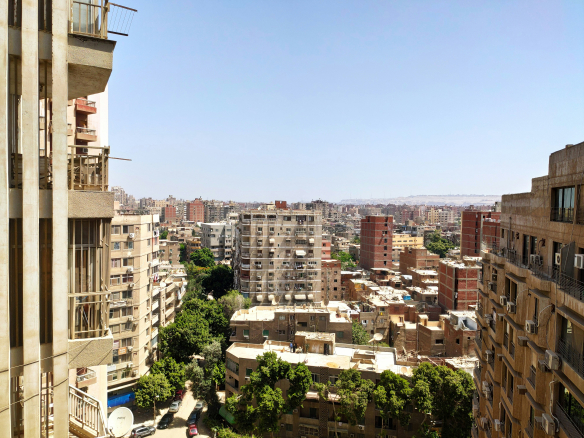
The ongoing demand for rental properties is projected to continue, driven by demographic trends such as smaller household sizes and an increase in single-person households. In Greater Cairo, where population density is exceedingly high—reaching up to 100,000 persons per square kilometer in older districts—the competition for affordable housing options remains fierce. Developers and investors are increasingly focusing on creating smaller units and affordable housing solutions to meet the evolving needs of the population.
Additionally, the rental market in Cairo is characterized by varying rent increase practices. Some landlords agree to modest annual increases of 2–5%, while others demand much steeper hikes of 10–20%, further complicating the landscape for renters. The growing disparity in rent prices and the ongoing debates surrounding old rent laws highlight the complexities of the rental market in Greater Cairo, shaping the experiences of both tenants and property owners.
Factors Driving the Shift
Increase in Rental Properties
One of the most significant drivers behind this shift is the substantial increase in the availability of rental properties. In recent years, especially through 2023, rental prices have seen a notable decline from their peak levels, making housing more accessible for a wider range of individuals. This change has created opportunities for renters who previously found it challenging to secure affordable housing, particularly in popular areas like Maadi and New Cairo, where demand remains high.
Economic Conditions
Economic conditions, particularly inflation and fluctuating interest rates, have also played a crucial role in shaping the housing market. With rising construction costs impacting profitability, many developers are now prioritizing rental models over traditional ownership. Additionally, the growth of the middle class has led to increased demand for affordable housing solutions, further shifting focus towards rentals.
Changing Lifestyle Preferences
Cultural transformations in housing preferences have led to a growing interest in integrated compounds and smart housing projects that prioritize lifestyle amenities over traditional ownership. As a result, modern developments are designed to offer community experiences and services that align with contemporary living standards, shifting the focus from merely owning property to enjoying a holistic lifestyle. The popularity of rental apartments and condominiums reflects this trend, dominating the market due to their affordability and appeal to a broad demographic.
Urbanization and Infrastructure Development
Urbanization trends and significant government investments in infrastructure have also catalyzed the shift towards renting. As new transportation networks and cities emerge, areas that were once less accessible are now becoming attractive to renters, fueling demand for rental properties in those regions. The focus on developing mixed-use communities with integrated amenities enhances the attractiveness of rental living, accommodating the growing urban population seeking convenience and improved quality of life.
Market Adaptation to Buyer Demand
Developers are responding to the evolving market by accelerating the launch of rental projects, particularly in high-demand locations. The ongoing trend towards smart, integrated living is reshaping how real estate developers approach planning and design, ultimately influencing buyer and renter expectations in Greater Cairo. As these projects continue to gain traction, they further solidify the preference for renting as a viable and attractive housing option in the region.
Join The Discussion