
ERA Real Estate Egypt · International buyer guide
Ownership eligibility, due diligence, costs, seasonality, management and exit: the questions to settle before choosing a unit.North Coast Egypt can be a compelling second- or third-home market for international and diaspora buyers, but the decision is more complex than comparing beaches and instalment plans. Before choosing a property, establish your legal route, intended use, complete ownership cost, management plan, seasonal rental assumptions and exit options for the specific development and unit.
The northern coast of Egypt, widely known in property and travel searches as North Coast Egypt or Sahel Egypt, extends west from Alexandria toward Marsa Matrouh. It contains many separate developments, phases and operating models. Two units with similar photographs can carry very different legal, delivery, maintenance, management and resale profiles. That is why ERA Egypt approaches the market as a buyer-advisory decision rather than an inventory search.North Coast Egypt: the quick answer
International buyers in North Coast Egypt should not begin with a developer, compound or available unit. Begin with six decisions: whether you are legally eligible for the specific property, how the home will be used, what it costs over the full holding period, who will manage it, how realistic the rental assumptions are, and how you could exit. Only then should inventory enter the conversation. This sequence matters in North Coast Egypt because each attractive feature can hide a different dependency. A long payment plan may obscure the total contractual obligation. A strong peak-season rental rate may say little about annual performance. A recognised developer may have different delivery and operating records across phases. A foreign-buyer rule that applies in one designated area may not resolve the position of another parcel.The most important North Coast question is not “Which units are available?” It is “What must be true for this purchase to work for this buyer?”
Define the purchase before browsing
Write a one-page North Coast Egypt requirement before opening a listing. It should explain who will use the property, how many weeks per year they expect to use it, whether personal enjoyment or financial performance takes priority, how much capital is available beyond the deposit, when the property must be usable, who will manage it and how long the buyer expects to hold it. A diaspora Egyptian family returning every summer is often comparing ownership with repeated seasonal renting. A foreign buyer with homes in other Mediterranean markets may be comparing the North Coast with an entirely different risk and liquidity standard. A buyer seeking occasional personal use plus rental income needs a third model. These are not variations of one brief; they are different purchases. Define the “failure condition” too. It may be late delivery, an inability to manage the unit remotely, restrictions on letting, weak resale demand, unacceptable annual charges or a legal structure that does not fit the buyer. When failure is explicit, a seemingly attractive unit can be rejected early rather than rationalised later.Is a second home also an investment?
North Coast demand sits inside a wider national shift toward resort and holiday ownership. See how ERA reads that trend before you weigh personal use against returns. Read: Holiday Homes in Egypt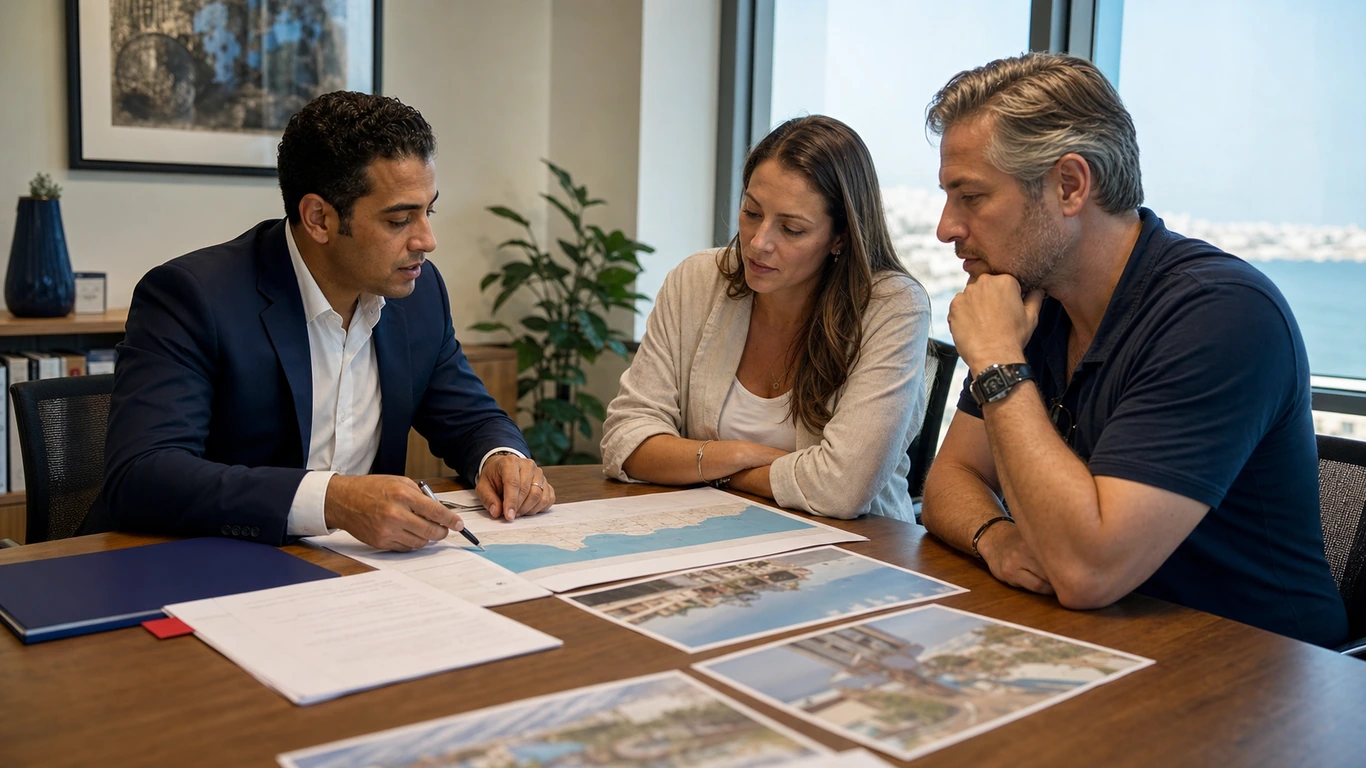
Understand North Coast Egypt as multiple micro-markets
“North Coast Egypt” is a useful destination label but an imprecise property-market definition. The coast covers different stretches, communities, development generations and access patterns. Within one branded destination, separate phases may differ in delivery date, density, beach access, maintenance arrangements, build quality and resale evidence. Access from Cairo and Alexandria matters, but it is not the only geographic variable. Buyers should examine the actual route, seasonal congestion, access to everyday services, healthcare, food, maintenance providers and transport. A home used for several weeks by a family has different operational needs from a unit occupied for a few peak weekends. Community operations matter as much as physical location. Ask what remains open outside the peak season, how common areas are maintained, whether access is controlled consistently, who handles faults, and what owners report after handover. Brochures explain the intended product. Operating evidence explains the property an owner will actually experience. ERA’s live North Coast Egypt buyer advisory is the natural next step when a buyer needs to turn these questions into a shortlist. Ras El Hekma, located in Marsa Matrouh on the western stretch of the coast, illustrates how much scale and phase variation can exist within a single branded destination. The first precinct, Wadi Yemm, covers 9 square kilometres with 2.5 km of beach frontage, a 1.6 km promenade, six planned luxury hotels, 13 residential communities and leisure infrastructure including championship golf and an equestrian centre. The master-city plan developed by Modon, a Saudi Arabia-based urban development company, projects 310,000 residential units across 17 precincts, a new airport, an international marina, a central business district and rapid transit, with a stated capacity for two million residents. These are developer projections for a development that is in progress. A buyer comparing units within a single precinct is already choosing between meaningfully different phases, contracted delivery dates and community stages. The master plan provides context; the specific contract, phase status and current site condition are what must be verified.Diaspora and international buyers are making different decisions
| Decision factor | Diaspora Egyptian buyer | International buyer |
|---|---|---|
| Reference point | Repeated summer renting, family use and connection to Egypt | Other second-home markets and portfolio alternatives |
| Market familiarity | Often understands the social map but may lack current project evidence | Needs the geography, process and legal framework explained from first principles |
| Primary value | Use, continuity and retained value | Use, diversification and a defensible total-cost/exit case |
| Operational issue | Coordination while living abroad | Coordination plus legal eligibility, documentation and currency route |
| Typical mistake | Buying from familiarity or social momentum | Assuming the North Coast behaves like a mature European resort market |
North Coast Egypt ownership for non-Egyptians
Non-Egyptians can own certain real property in Egypt, but “foreigners can buy” is the beginning of the legal review, not its conclusion. The applicable position depends on the buyer, property type, land classification, location, transaction structure and current implementing rules. The General Authority for Investment and Free Zones’ current foreign-investment regulations identify Law No. 230 of 1996 as the legal basis for non-Egyptian ownership of constructed property and vacant land. The published framework describes conditions including a general two-property limit for private residential use, a maximum area of 4,000 square metres per property, and exclusions for antiquities, while also recognising exemptions and special rules for designated tourist areas and urban communities. The same GAFI publication specifically discusses ownership and usufruct of residential units by non-Egyptians in designated areas including Sidi Abdel Rahman and Ras Al-Hekma in Marsa Matrouh, subject to approval by the relevant security authorities and the cited decrees. This is useful evidence that the market is not categorically closed to foreign nationals. It is not a substitute for confirming the status of the exact property.Legal boundary: ERA is not providing legal advice in this article. A qualified Egyptian lawyer must confirm the buyer’s eligibility, the land and unit status, the correct acquisition structure, the required approvals and the protections available before any reservation or contract is signed.
Buyers should also ask whether a proposed change to the law has actually entered into force. GAFI’s current document notes legislative proposals alongside existing rules. A proposal, cabinet approval or draft amendment should not be treated as operative law without confirmation from counsel.Build the legal and technical review before paying
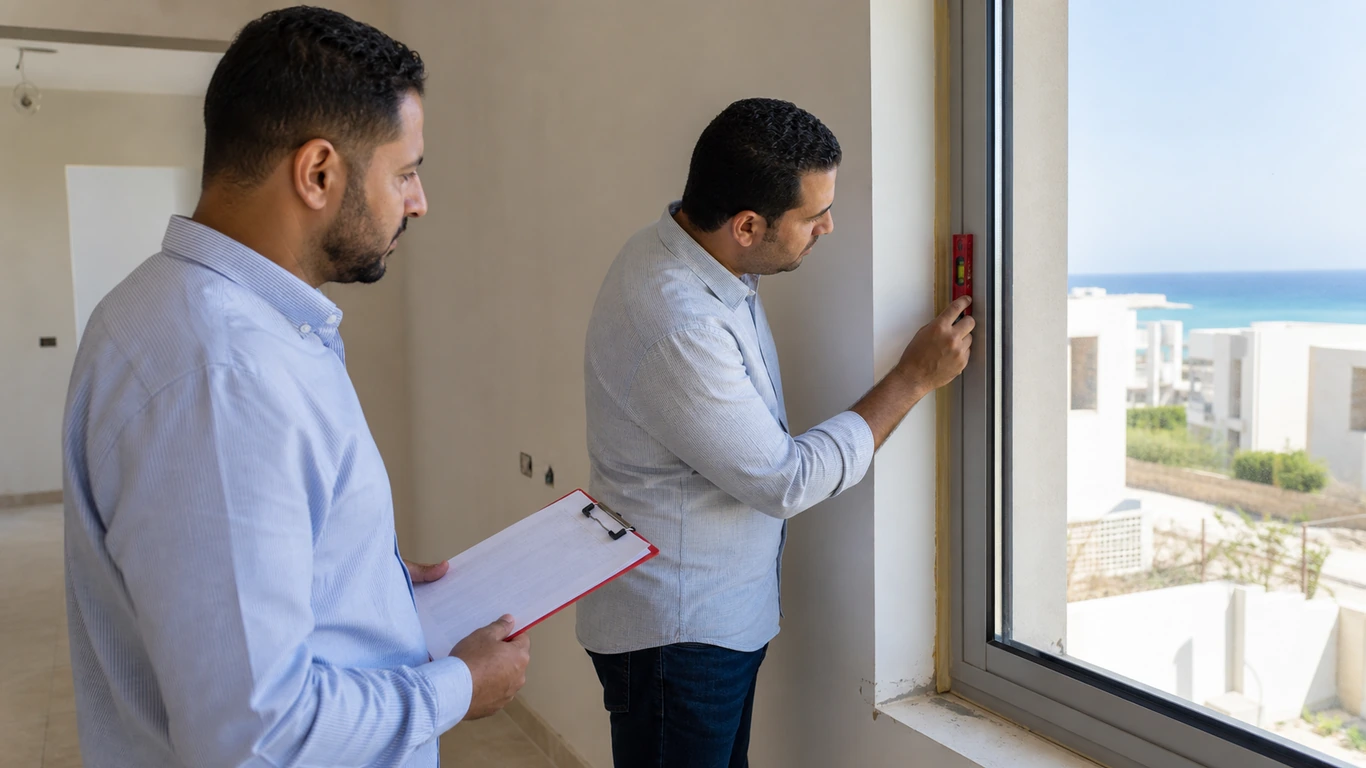
The safe sequence is to appoint independent advisers before the first payment that creates meaningful commitment. The seller or developer may provide documents and explanations, but the buyer’s lawyer and technical adviser should define what must be reviewed and what remains unresolved. The legal review commonly needs to establish the identity and authority of the seller, the legal description of the property, the chain of title or contractual rights, the land allocation or ownership position, licences and approvals, restrictions affecting the unit, the payment and default terms, delivery obligations, maintenance regime, resale conditions and the available route to registration or other legally recognised protection. The exact list varies; a generic checklist cannot determine title. Technical review matters for both completed and off-plan property. For a ready unit, inspect structure and finishes within the limits of the appointed professional’s scope, utilities, moisture, doors and windows, cooling, electrical work, plumbing, external areas and what is included in the sale. For off-plan property, the technical focus moves to specifications, permitted variation, measurement basis, handover standard and defect process. Contract translation is not the same as contract advice. International buyers should understand the controlling language, which documents prevail if versions differ, what constitutes delivery, when maintenance starts, how default is defined and what remedy exists if the promised position does not occur.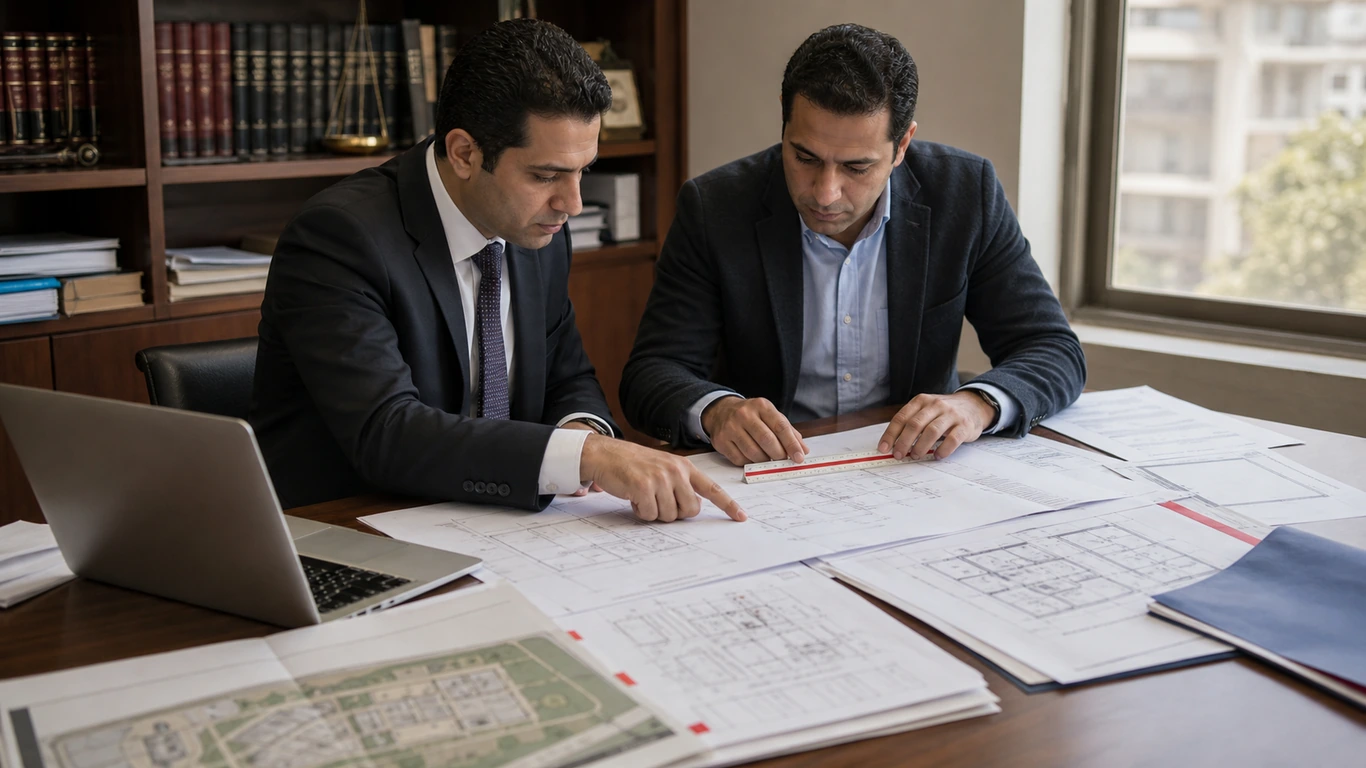
Model the complete cost, not only the purchase price
The quoted price is only one line in the ownership model. A decision-ready comparison should show the amount and timing of every payment, any currency requirement, the cost of finishing and furnishing, annual maintenance, club or access charges, utilities, insurance where relevant, professional fees, management, repairs and the cost of selling later.| Cost category | Questions to resolve | Common mistake |
|---|---|---|
| Contract price | What is the total obligation, payment currency and instalment timetable? | Comparing deposits rather than total commitments |
| Delivery and finishing | What condition is contractually promised, and what must the buyer add? | Assuming “finished” has one standard meaning |
| Furnishing and setup | What is needed before personal use or letting? | Leaving a large post-handover cost outside the budget |
| Annual ownership | Maintenance, utilities, access, repairs and management? | Modelling only the summer months |
| Remote management | Who holds keys, supervises repairs, cleans and reports? | Treating management as an informal favour |
| Exit | What restrictions, fees, approvals and market depth affect resale? | Assuming an asking price proves liquidity |
Treat rental income as seasonal
North Coast Egypt rental demand is concentrated around the summer. The exact season and demand profile vary by location, compound, unit and year, but the structural point remains: a strong weekly rate at the peak is not evidence of twelve-month occupancy. A useful model separates personal use from rentable dates. If the owner wants the most valuable weeks for family use, those weeks cannot also produce income. Then estimate occupancy for remaining peak and shoulder periods, apply a realistic achieved rate rather than the highest advertised rate, and deduct management, cleaning, platform or broker charges, utilities, repairs, furnishing wear and annual maintenance. Run at least three cases: personal use only, personal use plus conservative letting, and a downside case with weaker occupancy or higher costs. If the purchase only works in the most optimistic rental case, it is not yet a defensible investment. Rental policy also matters. Confirm whether the development or phase allows short-term letting, what access procedures apply, whether professional management is available and how guest-related damage or complaints are handled. Do not assume a legal right to rent answers the community’s operating rules.Ready property versus off-plan purchase
Ready or resale
The buyer can inspect the actual unit and operating community and may use it sooner. Review condition, seller authority, payments, maintenance status, modifications, title/contractual rights and actual resale evidence.Near delivery
Some physical progress can be assessed, but specification, completion, snagging and service activation remain relevant. Confirm what “delivery” means contractually.Off-plan
A newer product and longer schedule may be attractive, but the buyer accepts construction, timing, specification, phase and counterparty risk. Marketing renders are not technical evidence.Buying and managing from abroad
Remote coordination for a North Coast Egypt purchase should be designed, not improvised. Identify the lawyer, technical inspector, payment contact, handover representative and ongoing manager before the transaction reaches the stage where each is urgently needed. If a power of attorney is proposed, the buyer’s lawyer should draft or review it for the specific acts required. The buyer should understand its duration, revocation, translation, authentication and whether it permits sale, purchase, registration, payment or receipt of documents. A broad template may grant more authority than intended; a narrow one may fail when needed. For handover, require a written inspection record, photographs, meter and key information, defect list and acknowledgement of documents received. For management, define response times, spending authority, reporting frequency, rental responsibilities and how income and expenses will be documented. ERA Egypt’s residential buyer advisory explains the broader decision-first approach, while the firm’s touristic properties service provides the relevant coastal and resort context. Buyers who want to understand the general acquisition process can also review ERA’s live guide on how to buy a house in Egypt.Comparing Egypt with Cyprus, Greece or another Mediterranean market
“Egypt’s Cyprus” is a useful invitation to compare North Coast Egypt with familiar Mediterranean second-home markets. It should not be used to suggest that the legal system, season, infrastructure, financing, liquidity or operating model is identical. Compare like with like: a completed unit with a completed unit, similar access and amenity levels, the same intended holding period, and costs converted on a clearly dated basis. Include taxes and transaction costs with professional advice, annual ownership, management, expected usable weeks, rental restrictions and the realistic resale route. Egypt may present a lower entry price in some comparisons, but lower price can coexist with thinner international-buyer infrastructure, different legal protections, currency exposure and lower liquidity. Those are not reasons to reject the market. They are reasons to demand a complete comparison. One concrete parallel with established Mediterranean resort markets is connectivity. Ras El Hekma is approximately three hours from Cairo and two hours from Alexandria by road. By air, the destination is roughly three hours from Kuwait, three and a half from Doha, four from Dubai and Abu Dhabi, and five from London and Madrid. That radius is comparable to the flight time from northern Europe to Cyprus or the Greek islands, so buyers who already own in southern Europe are operating within a similar travel window. That does not make the markets equivalent: legal systems, financing, liquidity and exit routes differ materially. It does mean the access argument is grounded in verifiable flight times rather than aspiration.Red flags worth stopping for
- A request for payment before the buyer’s independent legal review can begin.
- A return projection based on peak rates without occupancy and annual costs.
- Foreign-ownership language presented as unconditional.
- A seller or representative unwilling to provide the documents requested by counsel.
- Unclear land, phase, unit or seller identification.
- “Delivery” used without a contractual specification and date.
- Pressure to choose from expiring inventory before comparing alternatives.
- No credible plan for keys, defects, maintenance and emergencies after handover.
- Resale claims supported only by current asking advertisements.
North Coast Egypt buyer decision checklist
- Define personal use, rental use and holding period.
- Set a complete budget including finishing, furnishing and annual costs.
- Confirm the buyer’s legal eligibility for the specific property.
- Verify the seller’s authority and the unit/land documentation with counsel.
- Inspect the unit or assess off-plan progress and specifications professionally.
- Compare the actual phase and community, not only the developer brand.
- Model seasonality and reserve the owner’s intended weeks before estimating rent.
- Confirm letting, access and management rules.
- Plan currency transfers and multi-year instalments.
- Understand resale restrictions, costs and evidence of actual market depth.
- Appoint handover and management responsibility before completion.
- Keep assumptions, sources and unresolved risks in one decision file.